
By Lauren Knight March 25, 2026
Running a successful massage practice requires more than providing excellent treatments. It requires protecting your time, managing your schedule efficiently, and making sure your income stays predictable. One of the biggest challenges massage businesses face is appointment instability caused by late cancellations and no-shows. These situations do not just create small inconveniences. They directly impact revenue, productivity, and long-term growth.
When an appointment slot goes empty because a client cancels late or does not show up, that time is usually impossible to refill. Unlike other industries that can resell inventory, service businesses lose time permanently. This is why building a strong massage booking deposit policy has become a standard business practice rather than an optional strategy.
Modern booking systems now allow massage practices to create structured payment rules through deposits, prepayments, and secure card storage. These tools help businesses reduce financial risk while also improving client accountability. When used correctly, these systems do not damage the client relationship. Instead, they create professionalism, clarity, and mutual respect.
This guide explains how deposits work, why prepayment massage software is becoming essential, how no-show protection massage practice systems protect revenue, and how to build a simple and fair payment structure inside your booking software. Everything is explained in clear, simple language, so even someone new to business operations can understand and apply these strategies.
Table of Contents
Why Payment Policies Are Essential for Modern Massage Practices
Many massage therapists begin their careers focusing mainly on treatment quality and client experience. While these are critical factors, business structure is equally important. Without clear policies, even a fully booked schedule can become unreliable due to unpredictable client behavior.
A clear massage payment policy removes uncertainty because it explains expectations before appointments are scheduled. When clients understand the rules in advance, they are far more likely to respect appointment times and cancellation requirements. This reduces misunderstandings and prevents uncomfortable conversations later.
Massage businesses without payment policies often experience inconsistent client behavior. Some clients cancel minutes before appointments. Others simply forget to attend. Without clear rules, businesses often feel pressured to absorb these losses. Over time, this creates financial instability and emotional stress.
Professional policies solve these problems by establishing structure. Structure creates consistency. Consistency builds trust. When clients see clear expectations, they treat appointments more seriously because they understand the value of the reserved time.
Payment policies are not about being strict. They are about creating stability so your business can operate smoothly and grow confidently.
Understanding How a Massage Booking Deposit Policy Protects Your Schedule
A deposit is a partial payment collected when a client books an appointment. This payment acts as a commitment signal. When clients invest money up front, they are psychologically more likely to honor their appointment time.
A strong massage booking deposit policy does not exist to penalize clients. Its purpose is to reduce uncertainty and protect business operations. Deposits encourage responsible booking behavior while also helping therapists plan their schedules more confidently.
Most deposit systems follow a simple structure. A percentage of the service price is collected during booking. When the client arrives, that amount is applied toward the final payment. If the client cancels within the allowed timeframe, the deposit may be transferred to a future appointment. If the cancellation happens too late or the client does not show up, the deposit may be retained according to the policy.
This structure creates fairness. Clients who respect policies do not lose money. Clients who do not respect the schedule accept financial responsibility.
Common Deposit Structures Used by Professional Massage Businesses
• 20–25 percent deposit for standard sessions
• 30–50 percent deposit for longer appointments
• Full prepayment for new clients
• Card on file requirement for repeat clients
• Higher deposits for peak hours
The exact structure depends on your business model, but the principle remains the same. Deposits protect your most valuable resource, which is time.
How Prepayment Software Creates Revenue Predictability
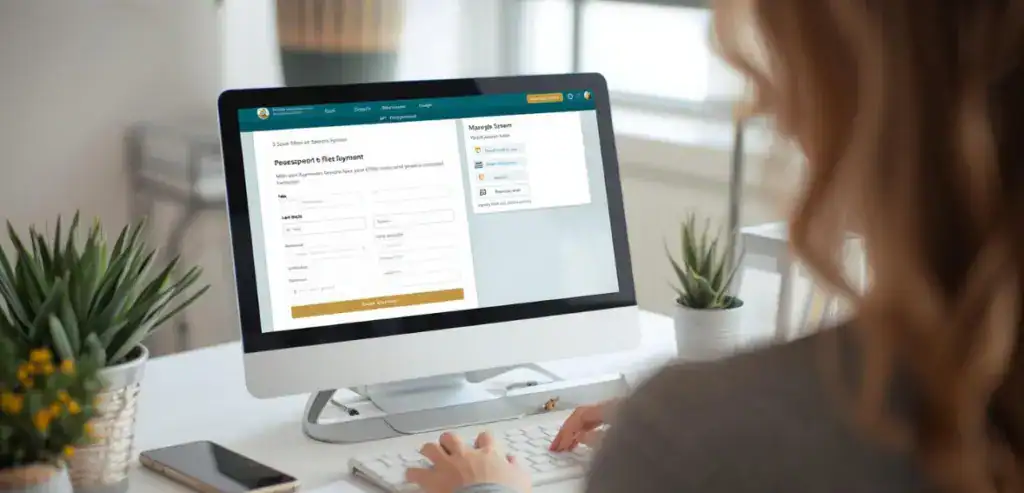
Many massage practices are now moving beyond deposits and using full prepayments through prepayment massage software. This approach eliminates payment uncertainty and simplifies the checkout process.
“Prepayment” means the full service cost is collected at the time of booking instead of after the treatment. This model provides financial predictability because revenue is secured before the appointment even begins.
This system also improves the client experience. Instead of handling payments after a relaxing treatment, the client can simply leave after the session. This creates a smoother and more professional checkout experience.
Prepayments also reduce administrative workload. Staff do not need to chase payments or process transactions after services. Everything is handled automatically by the booking system.
Businesses using prepayments often notice improved client attendance rates because prepaid clients are much more likely to show up. This creates stronger schedule stability and improves long-term planning.
The Hidden Financial Damage Caused by No-Shows
Many massage businesses underestimate how much no-shows actually cost. A single missed appointment may seem minor, but the long-term impact is significant.
If a massage practice loses just one $120 appointment per day due to no-shows, the yearly loss could exceed $30,000. This does not include the indirect cost of lost productivity or scheduling disruption.
This is why every practice needs a no-show protection massage practice strategy. Protection systems do not exist to punish clients. They exist to ensure business survival and fairness.
No-shows create multiple operational problems. They reduce daily revenue, disrupt staff utilization, create idle time, and make financial planning difficult. When they happen frequently, they can slow business growth and increase burnout risk for therapists.
Prevention is always better than reaction. Payment policies help prevent these situations rather than dealing with them after they happen.
Why Card-on-File Policies Improve Appointment Reliability
One of the most effective risk reduction tools available today is the ability to save a card on file for massage clients during booking. This system stores payment details securely and allows businesses to enforce cancellation policies when necessary.
This does not mean clients are automatically charged. It simply means payment information is available if policy terms are violated. This creates accountability without forcing immediate payment.
Card-on-file systems work because they create psychological responsibility. Clients understand there are consequences for missed appointments, which increases attendance reliability.
Businesses also benefit operationally. Checkout becomes faster, billing becomes easier, and policy enforcement becomes consistent.
Benefits of Requiring a Card on File
• Improves appointment attendance
• Allows automatic late cancellation fees
• Reduces payment disputes
• Speeds up checkout process
• Strengthens policy enforcement
• Encourages responsible booking behavior
When explained clearly, most clients accept this practice because they already experience similar systems in the healthcare and hospitality industries.
Using Booking Software to Automate Payment Policy Enforcement
Modern booking software massage systems make policy enforcement simple through automation. Automation removes manual tracking and ensures policies apply equally to all clients.
A well-configured booking system can automatically collect deposits, process prepayments, send reminders, enforce cancellation windows, and apply no-show charges when necessary.
Automation also removes emotional decision-making. Instead of deciding exceptions case by case, your system applies consistent rules. This improves fairness and prevents staff discomfort.
Technology allows massage businesses to operate with the same professionalism as larger service industries. This improves both efficiency and reputation.
Creating a Massage Cancellation Policy Clients View as Fair

A strong massage cancellation policy must balance protection with flexibility. If policies feel reasonable, clients are more likely to respect them.
The best policies clearly explain cancellation deadlines, deposit handling, late cancellation consequences, and rescheduling options. Clarity prevents conflict.
Most successful massage practices use a 24-hour cancellation window because it provides enough time to refill appointment slots when necessary.
Standard Cancellation Policy Best Practices
• Require 24-hour notice
• Apply deposit loss for late cancellations
• Charge no-show fees when necessary
• Allow rescheduling within policy limits
• Define emergency exceptions clearly
Fair policies are respected policies. Consistency is more important than strictness.
Communicating Your Payment Policy in a Way Clients Accept
Even the best policy fails if it is communicated poorly. Clients should never feel surprised by payment rules.
A good massage payment policy uses clear, simple wording instead of legal language. Clients should understand policies within seconds.
Simple explanations increase compliance. Complicated wording increases resistance.
Policies should clearly explain when payments happen, how cancellations work, how deposits are applied, and what happens with missed appointments.
The goal is clarity, not complexity.
Where Payment Policies Should Be Displayed for Maximum Effectiveness
Policies must be visible before booking decisions are made. If clients only see policies after booking, disputes become more likely.
Policies should be displayed throughout the client journey.
Best Locations to Display Policies
• Online booking checkout pages
• Appointment confirmation emails
• SMS reminder messages
• Client intake forms
• Website FAQ sections
• Front desk signage
Clients should also confirm agreement during booking. This step strengthens compliance and protects your business.
Clear visibility prevents misunderstandings.
Long-Term Benefits of Strong Payment Protection Systems
Massage businesses that implement deposits, prepayments, and no-show protection systems often see improvements beyond revenue protection. These systems improve schedule quality, reduce stress, and allow better long-term planning.
Predictable schedules allow therapists to focus more on care quality instead of operational uncertainty. Business owners gain confidence in revenue forecasting and growth planning.
Over time, strong payment systems help attract more reliable clients. Clients who respect professional policies tend to value services more and rebook consistently.
This creates a healthier business environment built on mutual respect and clear expectations.
Conclusion
Creating a structured payment policy using deposits, prepayments, and no-show protection tools is one of the most effective ways to protect a massage business. These systems do more than prevent revenue loss. They create stability, improve client behavior, and allow therapists to manage their time more effectively. When policies are supported by modern booking software, enforcement becomes consistent and stress-free.
The most successful massage businesses understand that clear policies are not obstacles to client relationships. They are the foundation of professionalism. When expectations are clear and communication is simple, clients respect boundaries, and appointments become more reliable. Over time, this structure supports business growth, improves work-life balance, and creates a more sustainable practice.
FAQs
What is a normal deposit percentage for massage appointments?
Most massage businesses charge between 20 percent and 50 percent, depending on service length.
Do deposits really reduce no-shows?
Yes. Clients are significantly more likely to attend appointments when they pay something in advance.
Should new clients be required to prepay?
Many massage businesses require prepayment from new clients to reduce booking risk.
Is it safe to store client cards on file?
Yes. Modern systems use encrypted payment processing for secure storage.
What cancellation notice is standard for massage practices?
Most businesses require at least 24 hours’ notice to avoid cancellation fees.